
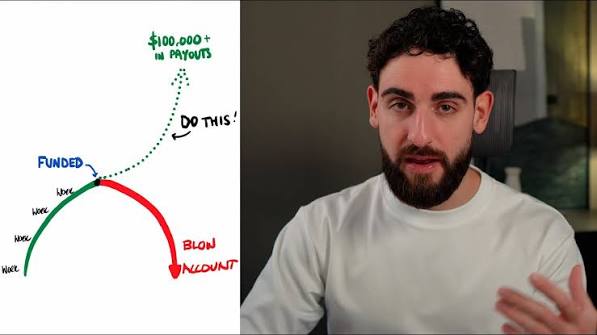
Patrick Bailouni – Master Your Trading Mindset
$600.00 Original price was: $600.00.$75.00Current price is: $75.00.
- 24/7 Contact Support & Telegram - Ecomkevin_1
- You Can Request Any Courses
- Original Courses HD Qualite and links updated
Guaranteed Safe Checkout


Description
Patrick Bailouni – Master Your Trading Mindset: The Complete Guide to Trading Psychology and Consistent Success
Trading is often perceived as a skill driven by technical analysis, indicators, charts, and market knowledge. While these elements are undoubtedly important, experienced traders understand that the true differentiator between success and failure is mindset. The ability to manage emotions, maintain discipline, and execute strategies consistently often determines long-term profitability more than any trading system.
Patrick Bailouni – Master Your Trading Mindset is a comprehensive educational program designed to help traders develop the psychological resilience necessary to succeed in today’s financial markets. Rather than focusing solely on strategies and setups, this training emphasizes the mental framework required to navigate uncertainty, manage risk, and maintain consistency regardless of market conditions.
Whether you are a beginner trader struggling with emotional decisions or an experienced investor seeking greater consistency, understanding trading psychology can dramatically improve your performance and decision-making process.
Why Trading Psychology Matters
Many traders spend years searching for the perfect strategy while neglecting the most important component of success—their own mindset.
A trader may have:
- A profitable strategy
- Excellent market knowledge
- Advanced technical analysis skills
- Access to premium trading tools
Yet still lose money due to emotional decision-making.
Common psychological challenges include:
Fear
Fear often causes traders to:
- Exit winning trades too early
- Avoid valid setups
- Hesitate when opportunities arise
- Miss profitable market movements
Greed
Greed can lead traders to:
- Overtrade
- Increase position sizes recklessly
- Ignore risk management rules
- Hold positions longer than planned
Revenge Trading
After experiencing losses, many traders attempt to recover quickly by placing impulsive trades. This emotional response frequently results in larger losses and greater frustration.
Lack of Discipline
Even the best trading strategy becomes ineffective when traders fail to follow predefined rules.
Developing mental discipline helps traders remain objective and consistent over time.
The Core Principles Behind Trading Success
The foundation of professional trading extends beyond charts and indicators. Successful traders develop habits that allow them to perform effectively under pressure.
Key principles include:
Emotional Control
Markets are unpredictable by nature. Prices can move unexpectedly despite thorough analysis.
Emotional control enables traders to:
- Accept uncertainty
- Stay calm during volatility
- Follow trading plans
- Avoid impulsive decisions
Professional traders understand that emotions should never dictate market actions.
Risk Management
One of the most overlooked aspects of trading is risk management.
Profitable traders focus on:
- Protecting capital
- Managing drawdowns
- Maintaining favorable risk-reward ratios
- Preserving longevity in the market
A trader’s first responsibility is not making money—it is avoiding catastrophic losses.
Proper risk management creates the foundation for sustainable growth.
Consistency Over Perfection
Many traders pursue perfection and become frustrated by losses.
The reality is that losses are an unavoidable part of trading.
Consistent traders understand:
- No strategy wins every trade
- Small losses are normal
- Long-term profitability matters more than individual trades
Focusing on consistency helps eliminate emotional reactions and promotes steady improvement.
Building a Professional Trader’s Mindset
Professional traders approach markets differently than beginners.
Instead of seeking excitement, they seek consistency.
Characteristics of Professional Traders
Professional traders typically demonstrate:
- Patience
- Discipline
- Confidence
- Risk awareness
- Emotional stability
- Long-term thinking
These traits are developed through practice and self-awareness rather than natural talent alone.
The Importance of Self-Awareness
Self-awareness allows traders to identify:
- Emotional triggers
- Weaknesses
- Behavioral patterns
- Decision-making biases
Understanding personal tendencies can help traders avoid repeating costly mistakes.
Examples include:
- Fear of missing out (FOMO)
- Confirmation bias
- Overconfidence
- Loss aversion
Recognizing these behaviors is often the first step toward improvement.
Developing Trading Discipline
Discipline is one of the most valuable assets a trader can possess.
Without discipline, even profitable strategies fail.
Key habits that strengthen discipline include:
Following a Trading Plan
Every trade should have:
- Entry criteria
- Stop-loss levels
- Profit targets
- Risk parameters
Following predefined rules reduces emotional decision-making.
Maintaining a Trading Journal
A trading journal helps traders:
- Analyze performance
- Track mistakes
- Identify strengths
- Improve consistency
Recording trades provides valuable insights that can accelerate growth.
Establishing Daily Routines
Successful traders often follow structured routines.
Examples include:
- Market preparation
- Strategy review
- Economic calendar analysis
- Post-trade evaluation
Routines promote consistency and reduce impulsive actions.
Managing Stress and Pressure
Financial markets can create significant psychological pressure.
Stress often increases when:
- Capital is at risk
- Losses accumulate
- Market conditions become volatile
- Expectations exceed reality
Learning to manage stress is essential for long-term success.
Effective methods include:
Mindfulness Practices
Mindfulness helps traders remain present and objective.
Benefits include:
- Improved concentration
- Reduced emotional reactions
- Better decision-making
- Enhanced self-control
Even a few minutes of daily mindfulness can improve trading performance.
Physical Health and Performance
Mental performance is closely connected to physical health.
Traders benefit from:
- Regular exercise
- Proper sleep
- Balanced nutrition
- Adequate hydration
A healthy lifestyle contributes to clearer thinking and improved emotional regulation.
Overcoming Common Trading Mistakes
Every trader experiences setbacks. The key is learning from mistakes rather than repeating them.
Common mistakes include:
Overtrading
Taking too many trades often leads to:
- Increased transaction costs
- Emotional exhaustion
- Reduced focus
- Lower profitability
Quality trades consistently outperform quantity.
Ignoring Risk Parameters
Many traders widen stop losses or remove them entirely.
This behavior can result in devastating losses and account destruction.
Successful traders respect risk limits regardless of market conditions.
Chasing the Market
Entering trades after significant price movements often leads to poor entries and unnecessary losses.
Patience allows traders to wait for high-probability setups.
Confidence Without Overconfidence
Confidence is necessary for executing trades effectively.
However, overconfidence can become dangerous.
Balanced confidence comes from:
- Preparation
- Experience
- Data analysis
- Proven systems
Overconfidence typically emerges after winning streaks and can lead to excessive risk-taking.
Professional traders remain humble and objective regardless of recent performance.
Long-Term Thinking in Trading
One of the biggest mindset shifts involves adopting a long-term perspective.
Many beginners focus on:
- Daily profits
- Weekly gains
- Immediate results
Professional traders focus on:
- Monthly performance
- Quarterly growth
- Annual consistency
- Multi-year success
Long-term thinking reduces emotional pressure and encourages disciplined decision-making.
Creating a Winning Trading Environment
Environment plays a significant role in performance.
An effective trading environment includes:
Organized Workspace
A clean and organized workspace helps improve focus and reduce distractions.
Structured Schedule
Trading specific sessions and maintaining consistent hours can improve discipline and efficiency.
Limited Distractions
Reducing interruptions helps traders remain focused on analysis and execution.
The Role of Accountability
Accountability accelerates growth and development.
Traders who review performance regularly often improve faster than those who trade without evaluation.
Methods of accountability include:
- Performance tracking
- Coaching
- Mentorship
- Trading communities
- Weekly reviews
Consistent evaluation creates opportunities for continuous improvement.
Mental Resilience During Losing Streaks
Every trader experiences losing streaks.
What separates successful traders from unsuccessful ones is their response to adversity.
Resilient traders:
- Accept losses as part of trading
- Follow risk management rules
- Continue executing proven strategies
- Avoid emotional decision-making
Losing streaks often reveal the strength of a trader’s mindset more than winning streaks.
Mastering Emotional Intelligence in Trading
Emotional intelligence allows traders to:
- Recognize emotional responses
- Manage impulses
- Maintain discipline
- Make objective decisions
Higher emotional intelligence often leads to better performance because traders remain focused on process rather than emotions.
Developing emotional intelligence requires continuous practice and self-reflection.
Who Can Benefit From This Training?
This mindset-focused trading education is valuable for:
Beginner Traders
Learn foundational psychological principles before developing bad habits.
Intermediate Traders
Identify emotional barriers preventing consistent profitability.
Advanced Traders
Refine mental performance and strengthen discipline under pressure.
Investors
Improve decision-making and avoid emotional reactions during market fluctuations.
Final Thoughts
Success in trading extends far beyond technical analysis and market knowledge. The ability to manage emotions, maintain discipline, and execute a strategy consistently often determines long-term profitability.
Patrick Bailouni – Master Your Trading Mindset provides valuable insights into the psychological foundations of successful trading. By focusing on emotional control, risk management, discipline, resilience, and long-term thinking, traders can build the mindset necessary to navigate financial markets with confidence and consistency.
The journey toward trading mastery begins with mastering yourself. Once emotions are controlled and discipline becomes habitual, traders are better positioned to capitalize on opportunities while protecting their capital. In a profession where psychology often outweighs strategy, developing the right mindset may be the most important investment a trader can make.
Reviews
There are no reviews yet.