
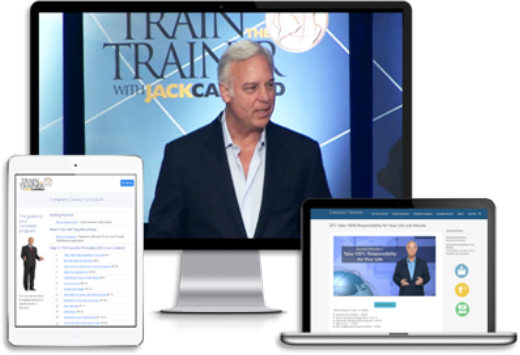
Jack Canfield – Train The Trainer Online
$4,999.00 Original price was: $4,999.00.$110.00Current price is: $110.00.
- 24/7 Contact Support & Telegram - Ecomkevin_1
- You Can Request Any Courses
- Original Courses HD Qualite and links updated
Guaranteed Safe Checkout


Description
Jack Canfield – Train The Trainer Online
The training and coaching industry has experienced tremendous growth over the past decade. Organizations, entrepreneurs, and professionals constantly seek qualified trainers who can educate, motivate, and inspire others. Among the leading names in personal development and transformational education, Jack Canfield has built a reputation for helping individuals unlock their potential and create meaningful impact.
Jack Canfield – Train The Trainer Online is designed for aspiring trainers, coaches, speakers, consultants, and educators who want to develop professional training skills and establish themselves as authorities in their fields. The program combines practical teaching strategies, presentation techniques, audience engagement methods, and business-building concepts.
This comprehensive guide explores the program, its training philosophy, core modules, benefits, ideal participants, and the skills learners can develop through this educational experience.
Who Is Jack Canfield?
Jack Canfield is widely recognized as a leading success coach, motivational speaker, and personal development expert. He has spent decades teaching success principles, achievement strategies, and transformational learning methods.
His training philosophy focuses on helping individuals achieve both personal and professional growth while creating positive change in the lives of others. His educational methods have influenced coaches, speakers, trainers, and entrepreneurs around the world.
What Is Train The Trainer Online?
Train The Trainer Online is a professional development program created to teach participants how to become effective trainers and facilitators. The program emphasizes practical implementation rather than theory alone.
Participants learn how to:
- Design training programs.
- Deliver engaging presentations.
- Manage audiences effectively.
- Build confidence while speaking.
- Create transformational learning experiences.
- Develop professional training businesses.
- Improve communication and leadership skills.
The online format allows learners to study at their own pace while accessing structured lessons, exercises, and implementation strategies.
Why Professional Training Skills Matter
Modern organizations value individuals who can transfer knowledge effectively. Trainers play a crucial role in:
- Corporate education.
- Leadership development.
- Employee training.
- Personal coaching.
- Business consulting.
- Workshop facilitation.
- Team development.
- Online education.
Strong trainers do more than present information. They inspire action, encourage participation, and help learners achieve measurable results.
Core Principles of Effective Training
Successful trainers generally follow several important principles:
1. Audience-Centered Learning
Great trainers focus on the needs of participants rather than simply delivering information. Understanding the audience allows trainers to create meaningful experiences.
2. Practical Application
Adults learn best through action. Training programs become more effective when learners immediately apply new concepts.
3. Engagement and Interaction
Interactive discussions, exercises, activities, and real-world examples help maintain attention and improve retention.
4. Transformation Over Information
The goal is not merely to teach facts but to help participants create meaningful change.
Key Topics Covered
Although specific modules may vary, trainer development programs often include several important areas.
Presentation Skills
Effective speaking remains one of the most valuable abilities for trainers. Participants learn:
- Voice control.
- Body language.
- Stage presence.
- Storytelling techniques.
- Audience connection.
- Confidence building.
Strong presentation skills help trainers deliver content with clarity and impact.
Training Design
A successful workshop requires careful planning. Trainers learn how to:
- Define learning objectives.
- Structure training sessions.
- Create exercises.
- Develop lesson plans.
- Build participant engagement.
- Measure outcomes.
Training design ensures that sessions produce meaningful results.
Facilitation Techniques
Facilitation involves guiding discussions and helping groups learn collaboratively.
Important facilitation skills include:
- Asking effective questions.
- Managing group dynamics.
- Handling difficult participants.
- Encouraging participation.
- Maintaining energy levels.
- Leading discussions.
These skills are essential for classroom, corporate, and online training environments.
Coaching and Communication
Professional trainers often serve as mentors and coaches. Effective communication skills help build trust and encourage personal growth.
Areas of focus may include:
- Active listening.
- Empathy.
- Feedback techniques.
- Goal setting.
- Accountability systems.
- Motivational communication.
Benefits of Online Learning
The online learning format provides several advantages for busy professionals.
Flexible Scheduling
Participants can study according to their personal schedules, making learning more convenient.
Global Accessibility
Learners from different countries can access training without travel expenses.
Self-Paced Learning
Students can review lessons multiple times and learn at their preferred speed.
Immediate Application
Concepts can be implemented immediately in workplaces, coaching businesses, or training environments.
Who Can Benefit From This Training?
The program may be suitable for:
Coaches
Individuals helping clients achieve personal or professional goals.
Consultants
Professionals who provide expert guidance to businesses and organizations.
Speakers
Those seeking to improve presentation and audience engagement skills.
Educators
Teachers and instructors wanting more effective training methods.
Entrepreneurs
Business owners who educate customers, employees, or teams.
Corporate Leaders
Managers responsible for employee development and team training.
Building Confidence as a Trainer
Many aspiring trainers struggle with:
- Fear of public speaking.
- Lack of confidence.
- Imposter syndrome.
- Anxiety before presentations.
Professional trainer education helps participants develop confidence through preparation, practice, and structured techniques.
Confidence grows through:
- Repetition.
- Experience.
- Feedback.
- Skill development.
- Real-world application.
Developing a Personal Training Style
Every successful trainer eventually develops a unique style.
Some trainers focus on:
- Motivation.
- Leadership.
- Business growth.
- Personal development.
- Communication.
- Sales training.
- Team building.
Finding an authentic teaching style helps trainers connect naturally with audiences.
Creating Impactful Learning Experiences
Modern learners expect more than lectures.
Effective learning experiences often include:
- Group discussions.
- Interactive exercises.
- Role-playing activities.
- Case studies.
- Reflection exercises.
- Action planning.
- Accountability systems.
These methods improve retention and create lasting transformation.
The Importance of Storytelling
Stories help audiences remember information.
Professional trainers use stories to:
- Explain concepts.
- Build emotional connection.
- Inspire action.
- Increase engagement.
- Demonstrate lessons.
Storytelling remains one of the most powerful communication tools available to trainers.
Building a Training Business
Many individuals pursue training as a career.
Potential opportunities include:
- Corporate workshops.
- Coaching programs.
- Online courses.
- Speaking engagements.
- Consulting services.
- Group coaching.
- Certification programs.
Developing both training skills and business skills allows professionals to create sustainable careers.
Online Training Versus In-Person Training
Both approaches offer unique advantages.
| Online Training | In-Person Training |
|---|---|
| Flexible schedules | Direct interaction |
| Global reach | Strong networking |
| Lower costs | Immediate feedback |
| Recorded lessons | Hands-on activities |
| Self-paced learning | Higher engagement |
Many trainers now combine both methods through hybrid learning models.
Skills Developed Through Trainer Education
Participants often improve:
- Public speaking.
- Leadership.
- Communication.
- Facilitation.
- Coaching.
- Presentation skills.
- Problem solving.
- Emotional intelligence.
- Confidence.
- Business development.
These abilities provide value across many industries and professions.
Long-Term Career Opportunities
Professional trainers may work in:
- Corporate learning departments.
- Leadership development.
- Human resources.
- Business consulting.
- Personal coaching.
- Educational institutions.
- Online education businesses.
- Professional speaking.
The growing demand for education and development continues to create opportunities for qualified trainers.
Final Thoughts
Jack Canfield – Train The Trainer Online offers aspiring trainers an opportunity to develop the skills necessary to educate, inspire, and lead others. Through structured learning, practical techniques, and professional development strategies, participants can strengthen their ability to deliver impactful training experiences.
Whether someone wants to become a coach, corporate trainer, consultant, speaker, or educator, developing effective training skills can create valuable career opportunities. Strong communication, facilitation, and leadership abilities remain essential in today’s rapidly evolving professional environment.
By focusing on audience engagement, transformational learning, and practical application, trainer education programs help individuals become more confident, effective, and influential leaders.
Reviews
There are no reviews yet.