
Dr. BJ Fogg – Design for Behavior Change
$299.00 Original price was: $299.00.$29.00Current price is: $29.00.
- 24/7 Contact Support & Telegram - Ecomkevin_1
- You Can Request Any Courses
- Original Courses HD Qualite and links updated
Guaranteed Safe Checkout


Description
Dr. BJ Fogg – Design for Behavior Change: The Ultimate Guide to Building Lasting Habits
In today’s fast-paced world, people constantly seek effective ways to improve productivity, health, relationships, and personal growth. However, many individuals struggle to maintain consistency and often abandon their goals after a short period. This is where Dr. BJ Fogg – Design for Behavior Change becomes a revolutionary framework for understanding human behavior and creating sustainable habits that actually stick.
Behavior change is often misunderstood. Most people believe success depends on motivation, discipline, or willpower. While these factors play a role, Dr. BJ Fogg’s research demonstrates that lasting transformation comes from designing behaviors that are easy to perform and naturally integrate into daily life. His approach has influenced entrepreneurs, educators, healthcare professionals, coaches, and individuals worldwide who want to create meaningful changes without relying solely on motivation.
This comprehensive guide explores the core principles, methodologies, benefits, and practical applications of behavior design, helping readers understand why this system has become one of the most respected approaches to habit formation and personal development.
Who Is Dr. BJ Fogg?
Dr. BJ Fogg is a renowned behavior scientist, researcher, author, and founder of the Behavior Design Lab at Stanford University. His groundbreaking work focuses on understanding how human behavior works and how individuals can create positive change through strategic design rather than sheer determination.
For decades, he has studied the psychology behind habits, motivation, and behavioral patterns. His research has shaped modern thinking around habit formation and influenced countless products, services, and educational programs worldwide.
Unlike traditional self-help approaches that emphasize willpower, Dr. Fogg advocates creating systems that make desired behaviors simple, achievable, and rewarding. This philosophy serves as the foundation of his behavior design methodology.
Understanding Behavior Design
Behavior design is the process of intentionally creating conditions that make desired behaviors easier to perform and maintain over time.
Many people fail because they attempt massive changes all at once. They set ambitious goals, rely on temporary motivation, and become discouraged when challenges arise.
Behavior design takes a different approach by focusing on:
- Simplicity
- Consistency
- Environmental design
- Emotional reinforcement
- Small incremental improvements
Rather than forcing change, behavior design creates a structure where positive actions naturally occur.
This approach recognizes that sustainable transformation happens through repeated small actions rather than dramatic lifestyle overhauls.
The Fogg Behavior Model
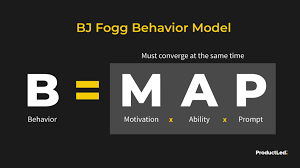
One of the most influential concepts in behavior science is the Fogg Behavior Model.
According to this framework, behavior occurs when three elements come together simultaneously:
Motivation
Motivation represents the desire to perform a specific action.
People often depend heavily on motivation when pursuing goals. However, motivation naturally fluctuates and cannot be relied upon consistently.
For example:
- Motivation is high after attending a seminar.
- Motivation increases after watching an inspiring video.
- Motivation spikes at the beginning of a new year.
Unfortunately, motivation eventually decreases, causing many habits to disappear.
Ability
Ability refers to how easy or difficult a behavior is to perform.
The easier an action becomes, the more likely people are to complete it consistently.
Examples include:
- Walking for two minutes instead of running five miles.
- Reading one page instead of finishing an entire chapter.
- Doing one push-up instead of a full workout.
Reducing complexity dramatically increases success rates.
Prompt
A prompt is the trigger that initiates a behavior.
Without a prompt, even motivated individuals may forget to act.
Examples of prompts include:
- Morning alarms
- Calendar reminders
- Existing habits
- Visual cues
- Environmental triggers
When motivation, ability, and prompts align, behavior naturally occurs.
The Power of Tiny Habits
One of the most famous concepts associated with Dr. BJ Fogg’s work is the Tiny Habits Method.
The idea is remarkably simple:
Start with behaviors so small that failure becomes nearly impossible.
Examples include:
- One push-up after using the bathroom.
- One deep breath before opening email.
- Drinking a sip of water after waking up.
- Reading one sentence before bed.
These tiny actions may seem insignificant, but they create momentum and establish consistency.
Consistency is often more valuable than intensity.
A small habit performed daily can eventually transform into a powerful long-term behavior.
Why Tiny Habits Work
Traditional habit-building methods frequently fail because people attempt too much too soon.
Common examples include:
- Exercising two hours every day.
- Following strict diets overnight.
- Reading multiple books per week.
- Completely changing daily routines.
These approaches create friction and overwhelm.
Tiny habits work because they:
Eliminate Resistance
Small actions feel manageable and approachable.
Build Confidence
Each successful repetition reinforces self-belief.
Create Momentum
Success naturally encourages larger actions over time.
Strengthen Identity
People begin seeing themselves as someone who consistently follows through.
Emotions Drive Behavior
One of the most important insights from behavior design is that emotions create habits.
Many people believe repetition alone forms habits. While repetition matters, emotions significantly influence habit formation.
Positive emotions strengthen behavioral pathways in the brain.
After completing a tiny habit, individuals are encouraged to celebrate immediately.
Examples include:
- Smiling
- Saying “Great job”
- Raising a fist in victory
- Acknowledging success mentally
These celebrations generate positive feelings that reinforce behavior.
The brain learns to associate the action with success and satisfaction.
Over time, the habit becomes automatic.
Designing Your Environment for Success
Behavior is heavily influenced by surroundings.
People often underestimate how much their environment shapes daily decisions.
Behavior design encourages creating environments that support desired actions.
Examples include:
For Fitness
- Place workout clothes beside the bed.
- Keep exercise equipment visible.
For Reading
- Leave books on a desk or nightstand.
- Reduce distractions nearby.
For Healthy Eating
- Store healthy foods in visible locations.
- Remove unhealthy snacks from immediate reach.
For Productivity
- Create dedicated workspaces.
- Minimize digital distractions.
Environmental design reduces reliance on motivation and makes positive behaviors easier.
Behavior Change in Business
Behavior design principles extend beyond personal development.
Businesses use these strategies to:
- Improve customer engagement
- Increase user retention
- Enhance product adoption
- Improve employee performance
- Strengthen customer loyalty
Successful companies understand that products should encourage desired behaviors naturally rather than relying on constant reminders.
Behavior design helps organizations create user experiences that feel intuitive and rewarding.
Applications in Health and Wellness
Healthcare professionals increasingly utilize behavior design techniques to improve patient outcomes.
Common applications include:
Weight Management
Breaking large health goals into tiny actions.
Exercise Adherence
Creating manageable fitness routines.
Medication Compliance
Using prompts and environmental cues.
Mental Health Support
Building small daily practices that support emotional well-being.
Stress Reduction
Incorporating simple mindfulness habits into daily routines.
The effectiveness of these methods stems from their focus on sustainability rather than short-term intensity.
Educational Applications
Teachers and educators can also benefit from behavior design.
Students often struggle with:
- Procrastination
- Lack of motivation
- Poor study habits
- Inconsistent performance
Behavior design helps by:
- Creating manageable learning goals.
- Building positive study routines.
- Encouraging regular engagement.
- Reducing overwhelm.
Small consistent actions often produce better educational outcomes than occasional bursts of intense effort.
Common Mistakes People Make When Changing Behavior
Many individuals unknowingly sabotage their progress through unrealistic expectations.
Common mistakes include:
Starting Too Big
Large goals often create resistance.
Depending on Motivation
Motivation is unreliable and temporary.
Ignoring Triggers
Without prompts, behaviors are easily forgotten.
Focusing on Outcomes Only
People obsess over results rather than systems.
Punishing Failure
Negative self-talk weakens long-term consistency.
Behavior design addresses these challenges by making success easier and more sustainable.
Creating a Personal Behavior Change Plan
To apply behavior design effectively, follow these steps:
Step 1: Identify a Desired Behavior
Choose one specific action you want to develop.
Step 2: Make It Tiny
Reduce the behavior until it feels effortless.
Step 3: Attach It to an Existing Routine
Link the habit to something you already do daily.
Step 4: Create a Prompt
Establish a reliable trigger.
Step 5: Celebrate Immediately
Generate a positive emotional response.
Step 6: Repeat Consistently
Focus on consistency rather than perfection.
Following this framework dramatically increases the likelihood of lasting success.
Long-Term Benefits of Behavior Design
Individuals who adopt behavior design principles often experience:
- Improved productivity
- Better health outcomes
- Increased self-confidence
- Greater consistency
- Enhanced focus
- Reduced stress
- Stronger personal discipline
- Sustainable growth
These benefits compound over time, leading to meaningful personal and professional transformation.
The Future of Behavior Change
As technology continues evolving, behavior design becomes increasingly relevant.
Organizations, educators, healthcare providers, and individuals seek evidence-based methods for encouraging positive actions.
The principles developed through decades of behavioral science research provide practical solutions to modern challenges.
By focusing on simplicity, emotional reinforcement, environmental design, and tiny habits, people can create meaningful changes without relying on endless motivation or willpower.
Conclusion
Dr. BJ Fogg – Design for Behavior Change represents one of the most influential and practical approaches to understanding human behavior. Rather than forcing dramatic transformations, this methodology emphasizes small actions, strategic design, and positive emotions that naturally lead to lasting habits.
Whether your goal is improving health, increasing productivity, building better routines, or achieving personal growth, behavior design offers a proven roadmap for sustainable success. By making behaviors easier, creating effective prompts, and celebrating small wins, anyone can build habits that endure for years.
The true power of behavior design lies in its simplicity. Small actions performed consistently create extraordinary results over time, proving that lasting change does not re
Reviews
There are no reviews yet.