
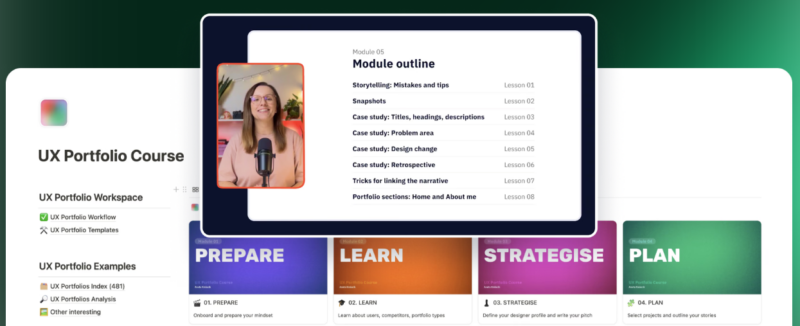
Aneta Kmiecik – Portfolio Bundle
$238.00 Original price was: $238.00.$29.00Current price is: $29.00.
- 24/7 Contact Support & Telegram - Ecomkevin_1
- You Can Request Any Courses
- Original Courses HD Qualite and links updated
Guaranteed Safe Checkout


Description
Aneta Kmiecik – Portfolio Bundle: Overview, Benefits, and Review
Introduction
A strong portfolio can make a meaningful difference when presenting creative work. It helps communicate your skills, demonstrate your approach, and give potential clients or employers a clearer picture of your abilities. However, creating a portfolio that represents your work effectively can take time, planning, and attention to detail.
Aneta Kmiecik – Portfolio Bundle is a product that prospective buyers may be researching for portfolio-related resources. Its name suggests a collection of materials associated with presenting creative work. However, the exact contents and intended use of this bundle should be confirmed through the official product description.
For designers, freelancers, and other creative professionals, portfolio development is an important part of building a professional identity. A carefully presented collection of work can help communicate experience, showcase individual strengths, and support future opportunities.
This overview explores the importance of portfolio development, the potential uses of portfolio resources, and the factors worth considering before purchasing the bundle. It also explains who may find this type of product relevant and how to evaluate whether it matches your creative goals.
Product Overview
A portfolio is more than a collection of finished projects. It is a way to present your abilities, creative thinking, and professional direction in a clear and organized format.
Depending on the industry, a portfolio might contain visual designs, illustrations, branding projects, digital work, case studies, or examples of completed assignments. The most effective presentation depends on the creator’s experience, target audience, and professional objectives.
Aneta Kmiecik – Portfolio Bundle is a product name associated with the portfolio resource category. People searching for it may want to understand what it contains, how it can support their creative work, and whether it offers materials relevant to their needs.
However, the specific files, formats, templates, projects, and other inclusions have not been independently verified here. Buyers should check the current product listing to establish exactly what is provided.
With that distinction in mind, understanding portfolio development can help you determine whether this type of resource fits your needs.
Why a Professional Portfolio Matters
A professional portfolio provides a practical way to demonstrate what you can do. Rather than relying entirely on descriptions of your abilities, you can present examples that show your skills in action.
For instance, a designer might include selected branding projects to demonstrate visual consistency. An illustrator may use a portfolio to showcase different styles and techniques. Meanwhile, a digital creative might present website designs or other visual projects.
In each case, the portfolio helps communicate information that a résumé alone may not convey.
Furthermore, a well-organized portfolio makes it easier for viewers to understand your work. Clear project descriptions, relevant visuals, and thoughtful organization can help people navigate your collection without unnecessary confusion.
A portfolio can also evolve over time. As your skills improve, you can replace older examples, refine your presentation, and introduce projects that better reflect your current direction.
Therefore, portfolio development is not simply a one-time task. It is an ongoing process that supports professional growth.
What Can a Portfolio Bundle Help You Explore?
The exact contents of Aneta Kmiecik – Portfolio Bundle should be confirmed before purchase. Nevertheless, there are several areas of portfolio development that prospective buyers may want to consider when evaluating a resource of this type.
1. Presenting Creative Work
The presentation of creative work influences how people understand it. Even strong projects can be difficult to evaluate when they are displayed without context or organization.
A thoughtful presentation considers the order of projects, the quality of images, and the relationship between different examples.
For example, a designer may choose to begin with a project that best represents their current skills. Supporting projects can then demonstrate versatility or experience in other areas.
As a result, the portfolio communicates a more coherent professional identity.
When evaluating this bundle, check whether its actual contents support the type of presentation you want to create.
2. Organizing Portfolio Materials
Organization is another important part of portfolio development. A clear structure helps viewers find relevant information and understand the creator’s range of work.
Some portfolios are organized by project type. Others follow a chronological structure or focus on selected case studies.
The right approach depends on the intended audience. For example, a freelance designer seeking branding clients may prioritize identity projects. Someone applying for a broader creative role might prefer to demonstrate a wider range of abilities.
Additionally, removing unnecessary material can make a portfolio more effective. A smaller collection of relevant work may communicate your strengths better than a large collection of unrelated projects.
3. Developing a Consistent Visual Identity
A portfolio can also contribute to your professional presentation. Consistent typography, spacing, image treatment, and layout can make the collection feel more unified.
However, visual consistency does not mean every project must look identical. Instead, the presentation should support the work while allowing each project to communicate its individual character.
For example, a portfolio featuring several design disciplines might use a consistent overall layout while allowing the projects themselves to retain different visual styles.
This balance can help demonstrate versatility without creating a disorganized impression.
4. Communicating Creative Decisions
A portfolio can show not only what you created but also how you approached a project.
Short descriptions may explain the original objective, the intended audience, and the decisions behind the final result. When relevant, they can also describe the creator’s responsibilities and the challenges involved.
This additional context helps viewers understand the thinking behind the work.
For example, a branding project might explain how the visual direction reflects a client’s identity. Similarly, a website design might describe how the layout supports navigation and readability.
Nevertheless, project descriptions should remain accurate. You should never claim responsibility for work completed by someone else or invent results that cannot be supported.
5. Supporting Future Portfolio Updates
Creative careers change over time. New skills, different projects, and changing professional interests can influence the way a portfolio should be presented.
A useful portfolio workflow makes updates easier. You can add new projects, remove outdated examples, and adjust your presentation as your objectives change.
Furthermore, keeping source files and project documentation organized can reduce the effort required to revise your materials.
When reviewing Aneta Kmiecik – Portfolio Bundle, consider whether its confirmed format and contents would fit into your existing creative workflow.
These areas describe the wider purpose of portfolio resources. They are not a confirmed list of features or materials included in this particular product.
Who May Benefit From Portfolio Resources?
Portfolio-related products can be relevant to people at different stages of their creative journey. However, suitability depends on the actual contents of the bundle.
Graphic Designers
Graphic designers often need to demonstrate their ability to develop visual concepts and communicate information through design.
A portfolio can showcase branding, typography, layouts, digital graphics, and other relevant projects.
For designers, a clear presentation helps potential clients or employers understand their style and experience.
Illustrators and Visual Artists
Illustrators and visual artists may use portfolios to present selected pieces, explore a particular theme, or demonstrate their range of techniques.
The organization of the collection can influence how viewers interpret the work. Therefore, selecting relevant examples and presenting them clearly is an important consideration.
Freelancers and Independent Creatives
Freelancers frequently use portfolios when introducing themselves to prospective clients.
A well-prepared collection can help communicate the services they offer and the types of projects they have completed.
Additionally, a portfolio can serve as a useful reference during client conversations. It provides concrete examples that help explain a creative approach.
Students and Emerging Designers
Students and beginners may be developing their first professional portfolio. At this stage, they might have limited client experience but still possess personal projects, practice work, or academic assignments.
These examples can help demonstrate developing skills when presented honestly and thoughtfully.
However, beginners should choose resources that match their experience level. A complicated professional workflow may be less useful than a straightforward starting point.
Established Creative Professionals
Experienced professionals may want to refresh an existing portfolio or reorganize older projects.
Over time, certain projects become less relevant to a person’s current direction. Reviewing the collection can help identify stronger examples and create a more focused presentation.
Whether this particular bundle supports these needs depends on its verified contents.
Key Benefits of Building a Strong Portfolio
A well-developed portfolio can support several professional goals.
Clearer presentation: Organized projects help viewers understand your work and identify relevant examples.
Stronger professional communication: A portfolio gives you a practical way to demonstrate your abilities instead of relying only on written claims.
Better project selection: Reviewing your work encourages you to identify projects that best represent your current skills.
Greater creative consistency: A thoughtful presentation can make your portfolio easier to navigate and more coherent.
Support for client outreach: Relevant examples can help you explain your services when communicating with potential clients.
Career development: Updating your portfolio encourages reflection on your progress and professional direction.
A more focused creative identity: Selecting work carefully can help communicate the type of projects you want to pursue.
These are general benefits of effective portfolio development. They should not be interpreted as guaranteed outcomes from purchasing Aneta Kmiecik – Portfolio Bundle.
How to Evaluate a Portfolio Bundle Before Buying
Before purchasing a portfolio resource, review its product information carefully. Doing so helps you determine whether it offers practical value for your particular needs.
Check the Included Materials
Start by confirming exactly what the bundle contains. Look for a clear list of files, templates, examples, or other resources.
Do not assume that editable files, commercial-use permissions, tutorials, or additional materials are included unless the seller explicitly confirms them.
Review File Formats and Compatibility
If the product contains digital files, check their formats and software requirements.
For example, certain design files may require specific applications. Compatibility matters because a resource is only useful if you can access and work with its contents.
Understand the Intended Use
Consider whether the materials are designed for personal learning, professional presentation, or another purpose.
Also, review any applicable licensing restrictions. In particular, check whether the materials may be modified, used commercially, or incorporated into client projects.
Compare the Product With Your Goals
Think about what you want to accomplish.
If you need to organize existing projects, prioritize resources that support that task. If you are building your first portfolio, look for guidance that matches your experience level.
Moreover, compare the bundle with other available options before deciding.
Verify the Purchase Terms
Finally, confirm the current price, delivery method, access conditions, and refund policy.
These details can affect the overall value of a digital product. Reviewing them beforehand helps you make a more informed purchasing decision.
Is Aneta Kmiecik – Portfolio Bundle Worth Considering?
Whether Aneta Kmiecik – Portfolio Bundle is worth considering depends on the materials it includes and how well they match your objectives.
If you are researching portfolio resources, begin by identifying the problem you want to solve. You might need help organizing projects, improving presentation, or creating a more consistent professional identity.
Next, compare those needs with the verified product description. A bundle that contains relevant materials may be useful, while one that does not address your requirements may offer limited value.
It is also important to consider your current workflow. Some creatives already have established portfolio systems and need only a few targeted improvements. Others may benefit from a more structured approach.
Therefore, the purchasing decision should be based on confirmed product details rather than assumptions about its contents.
Frequently Asked Questions
What is Aneta Kmiecik – Portfolio Bundle?
Aneta Kmiecik – Portfolio Bundle is the name of a portfolio-related product that prospective buyers may be researching. Its exact contents and intended applications should be confirmed through the seller’s current product description.
What does the bundle include?
The specific files, templates, examples, and other inclusions have not been independently verified here. Review the official listing to establish what is included before purchasing.
Who should consider buying this bundle?
It may interest designers, illustrators, freelancers, students, and other creative professionals who are exploring portfolio resources. However, suitability depends on the actual contents and your intended use.
Can a portfolio help attract clients?
A relevant and well-presented portfolio can help prospective clients evaluate your work. However, attracting clients also depends on factors such as service quality, communication, pricing, market demand, and outreach.
Is this bundle suitable for beginners?
It may be relevant to beginners, but its suitability cannot be confirmed without reviewing the contents. Check the product description to determine whether the materials match your experience level.
Can I use portfolio materials for commercial projects?
Commercial usage rights depend on the product’s license. Before using any included materials for client work or other commercial purposes, review the seller’s terms carefully.
Does the bundle include editable templates?
Editable templates have not been confirmed as part of this product. Check the current listing for the precise file types and included resources.
How can I decide whether the bundle is right for me?
Identify your portfolio goals, review the included materials, and check compatibility and licensing conditions. Then compare the product with your needs and available alternatives.
Final Thoughts
A professional portfolio can help creatives communicate their abilities, present selected work, and build a clearer professional identity. However, creating an effective portfolio requires more than collecting attractive images. It also involves thoughtful organization, accurate project descriptions, and a clear understanding of the intended audience.
Aneta Kmiecik – Portfolio Bundle may be worth exploring if you are looking for resources to support your portfolio development process.
Before purchasing, verify the exact contents, file formats, licensing terms, and delivery conditions. These details will help you decide whether the product fits your workflow and creative objectives.
Ultimately, the best portfolio resource is one that meets a specific need and helps you present your work more effectively. Choose based on verified information, practical usefulness, and your own professional goals.
Reviews
There are no reviews yet.