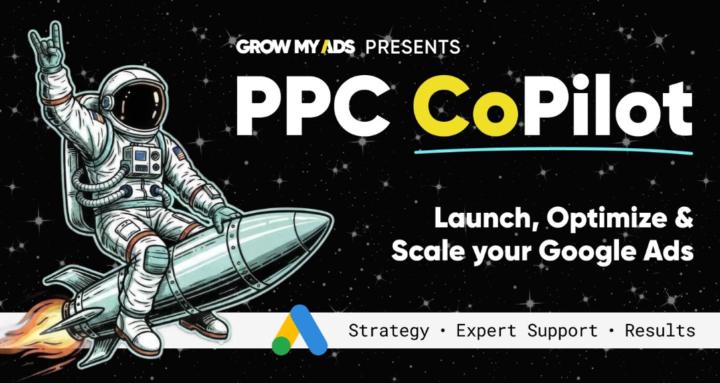
Luke Donoghue – PPC Copilot | Google Ads (June 2026)
$120.00 Original price was: $120.00.$35.00Current price is: $35.00.
- 24/7 Contact Support & Telegram - Ecomkevin_1
- You Can Request Any Courses
- Original Courses HD Qualite and links updated
Guaranteed Safe Checkout


Description
Luke Donoghue – PPC Copilot | Google Ads: Complete Guide to Smarter PPC Advertising
Digital advertising has become one of the most competitive marketing channels in the modern business landscape. Companies of all sizes are investing heavily in pay-per-click advertising to generate leads, increase sales, and grow brand visibility. However, achieving consistent profitability through Google Ads requires more than simply launching campaigns. It demands strategic planning, data analysis, audience targeting, and ongoing optimization.
Luke Donoghue – PPC Copilot | Google Ads is designed to help marketers, business owners, freelancers, and agencies develop a systematic approach to managing and optimizing Google Ads campaigns. Whether you are new to paid advertising or looking to improve your existing results, understanding proven PPC methodologies can significantly impact your return on investment.
This comprehensive guide explores the key principles, strategies, and techniques associated with successful Google Ads management while highlighting the value that a structured PPC framework can provide for advertisers seeking scalable growth.
Understanding Google Ads in Today’s Marketing Environment
Google Ads remains the largest and most powerful advertising platform in the world. Every day, billions of searches are performed by users actively looking for products, services, and solutions.
Unlike many other marketing channels, Google Ads allows advertisers to reach potential customers at the exact moment they express intent through search queries.
Benefits include:
- Immediate traffic generation
- Highly targeted audience reach
- Flexible budget control
- Measurable campaign performance
- Scalable lead generation
- Increased sales opportunities
- Enhanced brand awareness
- Detailed conversion tracking
Businesses that understand how to leverage Google Ads effectively often outperform competitors by capturing high-intent traffic and converting prospects into paying customers.
Why PPC Management Matters
Many advertisers assume that simply creating campaigns and selecting keywords is enough to drive results. In reality, profitable advertising requires continuous optimization and strategic decision-making.
Effective PPC management involves:
Keyword Research
Finding the right keywords determines whether your ads appear for relevant searches. High-performing campaigns focus on keywords that balance search volume, competition, and commercial intent.
Audience Targeting
Understanding customer behavior enables advertisers to create campaigns that reach users most likely to convert.
Ad Copy Optimization
Compelling ad copy improves click-through rates and attracts qualified traffic.
Landing Page Alignment
Users should experience a seamless transition from advertisement to landing page.
Bid Strategy Management
Proper bidding ensures maximum visibility while maintaining profitability.
Conversion Tracking
Tracking allows advertisers to identify which campaigns, keywords, and ads generate actual business results.
Core Components of a Successful Google Ads Campaign
A successful PPC campaign relies on several interconnected elements working together.
Campaign Structure
Proper account organization improves campaign performance and reporting accuracy.
Typical structure includes:
- Campaigns
- Ad Groups
- Keywords
- Ads
- Landing Pages
A well-organized account enables advertisers to maintain relevance between searches, advertisements, and landing page experiences.
Search Campaign Optimization
Search campaigns remain one of the most effective ways to capture high-intent traffic.
Optimization techniques include:
Match Type Selection
Advertisers must understand the differences between:
- Broad Match
- Phrase Match
- Exact Match
Selecting appropriate match types helps control traffic quality and budget allocation.
Negative Keywords
Negative keywords prevent ads from appearing for irrelevant searches.
Benefits include:
- Reduced wasted spend
- Improved conversion rates
- Higher quality traffic
- Better campaign efficiency
Search Term Analysis
Regular review of search term reports provides valuable insights into user behavior and keyword opportunities.
Conversion-Focused Ad Creation
Ad copy plays a critical role in campaign success.
Effective advertisements typically include:
Strong Headlines
Headlines should immediately capture attention and communicate value.
Examples include:
- Solve a Specific Problem
- Highlight Unique Benefits
- Showcase Competitive Advantages
- Present Clear Offers
Persuasive Descriptions
Descriptions should focus on:
- Customer pain points
- Product benefits
- Social proof
- Competitive differentiation
Clear Calls-to-Action
Strong calls-to-action encourage users to take the next step.
Examples:
- Get Started Today
- Book a Free Consultation
- Request a Demo
- Learn More
- Shop Now
Importance of Quality Score
Google uses Quality Score to evaluate ad relevance and user experience.
Quality Score is influenced by:
- Expected Click-Through Rate
- Ad Relevance
- Landing Page Experience
Higher Quality Scores often lead to:
- Lower Cost Per Click
- Better Ad Positions
- Increased Visibility
- Improved Campaign Efficiency
Advertisers who consistently improve Quality Score can achieve better results while spending less.
Landing Page Optimization for PPC Success
Driving clicks is only part of the equation.
The landing page must convert visitors into leads or customers.
Key optimization factors include:
Message Match
The landing page should reflect the promise made in the advertisement.
Fast Loading Speed
Page speed directly impacts:
- User experience
- Bounce rate
- Conversion rate
- Ad performance
Mobile Responsiveness
A large percentage of traffic originates from mobile devices.
Responsive design ensures a positive user experience across all screen sizes.
Conversion Elements
Effective landing pages include:
- Clear headlines
- Trust signals
- Testimonials
- Contact forms
- Strong CTAs
- Benefit-focused content
Data-Driven Campaign Optimization
One of the biggest advantages of PPC advertising is the availability of detailed performance data.
Important metrics include:
Click-Through Rate (CTR)
Measures how often users click on advertisements.
Cost Per Click (CPC)
Indicates the average amount paid for each click.
Conversion Rate
Shows the percentage of visitors who complete desired actions.
Cost Per Acquisition (CPA)
Measures the cost required to generate a conversion.
Return on Ad Spend (ROAS)
Evaluates advertising profitability.
Impression Share
Reveals how often ads appear compared to available opportunities.
Monitoring these metrics helps advertisers identify strengths and weaknesses within campaigns.
Advanced Google Ads Strategies
Experienced advertisers often implement advanced techniques to maximize performance.
Audience Segmentation
Segmenting audiences allows advertisers to create more personalized campaigns.
Segments may include:
- New visitors
- Returning visitors
- Cart abandoners
- Existing customers
- High-value leads
Remarketing Campaigns
Remarketing targets users who previously interacted with a website.
Benefits include:
- Higher conversion rates
- Increased brand recall
- Lower acquisition costs
- Improved customer retention
Remarketing often produces some of the highest-performing campaigns within Google Ads accounts.
Automated Bidding Strategies
Google’s machine learning capabilities continue to improve.
Popular bidding strategies include:
- Maximize Conversions
- Target CPA
- Target ROAS
- Maximize Clicks
- Enhanced CPC
Selecting the right bidding strategy depends on campaign objectives and available conversion data.
Scaling PPC Campaigns
Many advertisers struggle when attempting to scale successful campaigns.
Sustainable growth requires:
Budget Expansion
Increasing budgets strategically while maintaining profitability.
Geographic Expansion
Targeting new locations and markets.
Keyword Expansion
Discovering additional profitable search opportunities.
Audience Growth
Reaching new customer segments.
Creative Testing
Continuously testing advertisements to improve engagement and conversions.
Scaling should always be supported by accurate performance data and conversion tracking.
Common Google Ads Mistakes to Avoid
Many businesses waste significant advertising budgets due to preventable errors.
Common mistakes include:
Poor Keyword Selection
Choosing overly broad keywords can attract irrelevant traffic.
Ignoring Negative Keywords
Failing to exclude irrelevant searches often leads to wasted spend.
Weak Ad Copy
Generic advertisements typically generate lower engagement.
Poor Landing Pages
Even strong campaigns fail when landing pages do not convert visitors.
Lack of Conversion Tracking
Without tracking, optimization becomes guesswork.
Infrequent Optimization
Google Ads requires ongoing management and regular performance reviews.
Avoiding these mistakes can dramatically improve campaign profitability.
Benefits for Agencies and Freelancers
PPC professionals managing multiple clients can benefit from structured systems and frameworks.
Advantages include:
- Faster campaign setup
- Improved account organization
- Better reporting processes
- More efficient optimization workflows
- Consistent client results
- Scalable service delivery
Developing repeatable processes enables agencies to manage larger advertising budgets while maintaining performance standards.
Building Long-Term Advertising Success
Long-term success with Google Ads is not achieved through shortcuts or one-time optimizations.
Instead, advertisers must focus on:
- Continuous learning
- Data analysis
- Strategic testing
- Audience understanding
- Conversion optimization
- Performance measurement
The most successful advertisers treat PPC as an ongoing process of refinement and improvement.
By combining effective campaign structures, compelling advertisements, optimized landing pages, and data-driven decision-making, businesses can build sustainable advertising systems that consistently generate leads and revenue.
Final Thoughts
Luke Donoghue – PPC Copilot | Google Ads provides valuable insights into creating, managing, and optimizing profitable Google Ads campaigns. As competition continues to increase across digital advertising channels, advertisers who adopt systematic PPC strategies gain a significant advantage over competitors.
Whether you are a business owner seeking more leads, a freelancer managing client campaigns, or an agency looking to scale operations, mastering Google Ads fundamentals and advanced optimization techniques can unlock substantial growth opportunities.
Success ultimately comes from understanding user intent, leveraging data effectively, and continuously refining campaign performance. Those who embrace these principles position themselves for long-term profitability and sustained success in the ever-evolving world of digital advertising.
Reviews
There are no reviews yet.