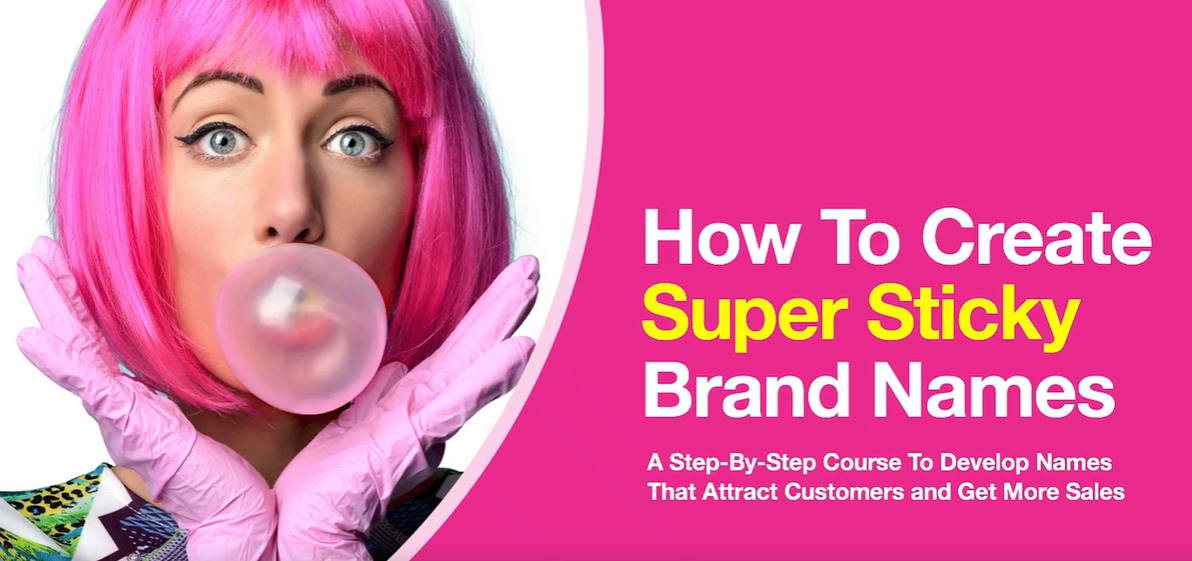
Alexandra Watkins – Super Sticky Brand Names
$899.00 Original price was: $899.00.$40.00Current price is: $40.00.
- 24/7 Contact Support & Telegram - Ecomkevin_1
- You Can Request Any Courses
- Original Courses HD Qualite and links updated
Guaranteed Safe Checkout


Description
Alexandra Watkins – Super Sticky Brand Names: The Ultimate Guide to Creating Memorable Brands
In today’s competitive digital world, building a brand that sticks in people’s minds is no longer optional—it’s essential. A strong brand name can make the difference between instant recognition and being completely forgotten. That’s where Alexandra Watkins – Super Sticky Brand Names comes into play. This powerful concept and methodology have helped countless entrepreneurs, marketers, and businesses craft names that resonate, convert, and endure.
In this detailed guide, you’ll learn everything about creating unforgettable brand names, inspired by the proven strategies of Alexandra Watkins.
What Are Super Sticky Brand Names?
A “sticky” brand name is one that people instantly remember, pronounce easily, and associate with a positive experience. It’s not just about creativity—it’s about clarity, memorability, and emotional connection.
The framework behind Alexandra Watkins – Super Sticky Brand Names focuses on creating names that:
- Are easy to say and spell
- Evoke curiosity and emotion
- Stand out in crowded markets
- Are legally and digitally available
Sticky names don’t confuse—they connect.
Why Brand Names Matter More Than Ever
In the age of social media, SEO, and digital marketing, your brand name is your first impression. It impacts:
1. Search Visibility
A unique and optimized brand name helps you rank higher on search engines and reduces competition.
2. Word-of-Mouth Marketing
If people can’t pronounce or remember your name, they won’t recommend it.
3. Brand Recall
Memorable names stay in the customer’s mind long after the first interaction.
This is why businesses are increasingly turning to frameworks like Alexandra Watkins – Super Sticky Brand Names to gain a competitive edge.
The SMILE & SCRATCH Test Framework
One of the most powerful concepts introduced by Alexandra Watkins is the SMILE & SCRATCH test. This system helps evaluate whether a name is effective or problematic.
SMILE: What Makes a Name Great
A sticky name should make people SMILE:
- S – Suggestive: Hints at what the brand does
- M – Meaningful: Connects with your audience
- I – Imagery: Creates visual or emotional associations
- L – Legs: Has longevity and scalability
- E – Emotional: Evokes positive feelings
Using Alexandra Watkins – Super Sticky Brand Names, businesses can craft names that naturally pass the SMILE test.
SCRATCH: What to Avoid
A weak brand name often has SCRATCH characteristics:
- S – Spelling-challenged: Hard to spell or confusing
- C – Copycat: Too similar to competitors
- R – Restrictive: Limits future growth
- A – Annoying: Feels forced or gimmicky
- T – Tame: Lacks personality
- C – Curse of knowledge: Too complex or insider-focused
- H – Hard to pronounce: Creates barriers
Avoiding these pitfalls is key when applying Alexandra Watkins – Super Sticky Brand Names principles.
Step-by-Step Guide to Creating Sticky Brand Names
Step 1: Define Your Brand Identity
Before naming your business, understand:
- Your target audience
- Your core values
- Your unique selling proposition
A strong foundation ensures your name aligns with your brand vision.
Step 2: Brainstorm Without Limits
Start with a wide brainstorming session. Don’t filter ideas too early.
Try techniques like:
- Word associations
- Metaphors
- Combining words
- Foreign language inspiration
This creative process is central to Alexandra Watkins – Super Sticky Brand Names.
Step 3: Keep It Simple
Simple names are powerful. Think about globally recognized brands—they are easy to pronounce and remember.
Avoid:
- Complicated spellings
- Long phrases
- Confusing abbreviations
Step 4: Test for Memorability
Ask yourself:
- Can someone remember it after hearing it once?
- Can they spell it correctly?
- Does it sound natural in conversation?
Sticky names pass the “coffee shop test”—easy to say and understand even in noisy environments.
Step 5: Check Availability
A great name is useless if it’s already taken.
Make sure to:
- Check domain availability
- Verify social media handles
- Conduct trademark research
This step ensures your name is practical, not just creative.
Step 6: Gather Feedback
Test your name with real people:
- Friends and family
- Potential customers
- Industry peers
Feedback helps refine your choice and identify hidden issues.
Examples of Sticky Brand Names
Let’s look at what makes some brand names effective:
1. Google
Simple, unique, and playful. Easy to remember and globally recognizable.
2. Uber
Short, powerful, and suggests superiority.
3. Nike
Strong emotional and mythological connection.
These examples reflect the same principles taught in Alexandra Watkins – Super Sticky Brand Names.
Common Mistakes to Avoid
Even experienced marketers make mistakes when naming brands. Here are key pitfalls:
1. Overcomplicating the Name
Trying too hard to be unique often results in confusion.
2. Ignoring Pronunciation
If people can’t say it, they won’t share it.
3. Following Trends Blindly
Trendy names may become outdated quickly.
4. Lack of Emotional Connection
A name without feeling won’t stick.
Using the insights from Alexandra Watkins – Super Sticky Brand Names helps avoid these errors.
How Sticky Names Boost SEO
Your brand name directly impacts your SEO strategy:
Unique Keywords
A distinct name reduces keyword competition.
Branded Searches
More people searching your brand increases authority.
Higher Click-Through Rates
Memorable names attract more clicks.
The Psychology Behind Sticky Names
Why do some names stick while others fade away?
1. Cognitive Ease
Simple names are easier for the brain to process.
2. Emotional Resonance
Names that trigger emotions are more memorable.
3. Repetition
Easy names are repeated more often, increasing recall.
These psychological principles are deeply embedded in Alexandra Watkins – Super Sticky Brand Names.
Tools to Help You Create Brand Names
Here are some useful tools:
- Name generators (for inspiration)
- Thesaurus tools (for word variety)
- Domain checkers (for availability)
- Trademark databases
However, tools alone aren’t enough. Strategy matters more than automation.
Who Should Use This Naming Framework?
The strategies from are perfect for:
- Startups launching new businesses
- Entrepreneurs building personal brands
- Agencies creating client brands
- E-commerce store owners
- Content creators and influencers
Anyone who wants to stand out can benefit from this approach.
Real-World Applications
Startup Branding
New businesses need strong names to compete quickly.
Product Naming
Sticky names increase product recall and sales.
Rebranding
Companies can refresh their identity with better names.
Final Thoughts
Creating a powerful brand name is both an art and a science. It requires creativity, strategy, and a deep understanding of human psychology. By applying the proven principles of Alexandra Watkins – Super Sticky Brand Names, you can develop names that not only stand out but also stay in people’s minds for years.
Whether you’re launching a startup, building a personal brand, or rebranding an existing business, investing time in the right name will pay off in the long run.
Reviews
There are no reviews yet.